FOOD FOR THOUGHT
What happens when an architect and a scenographer turn their attention to the dinner table? Meet Toutia, the Paris-based creative duo treating food as material and the dining table as a canvas for something entirely unexpected.
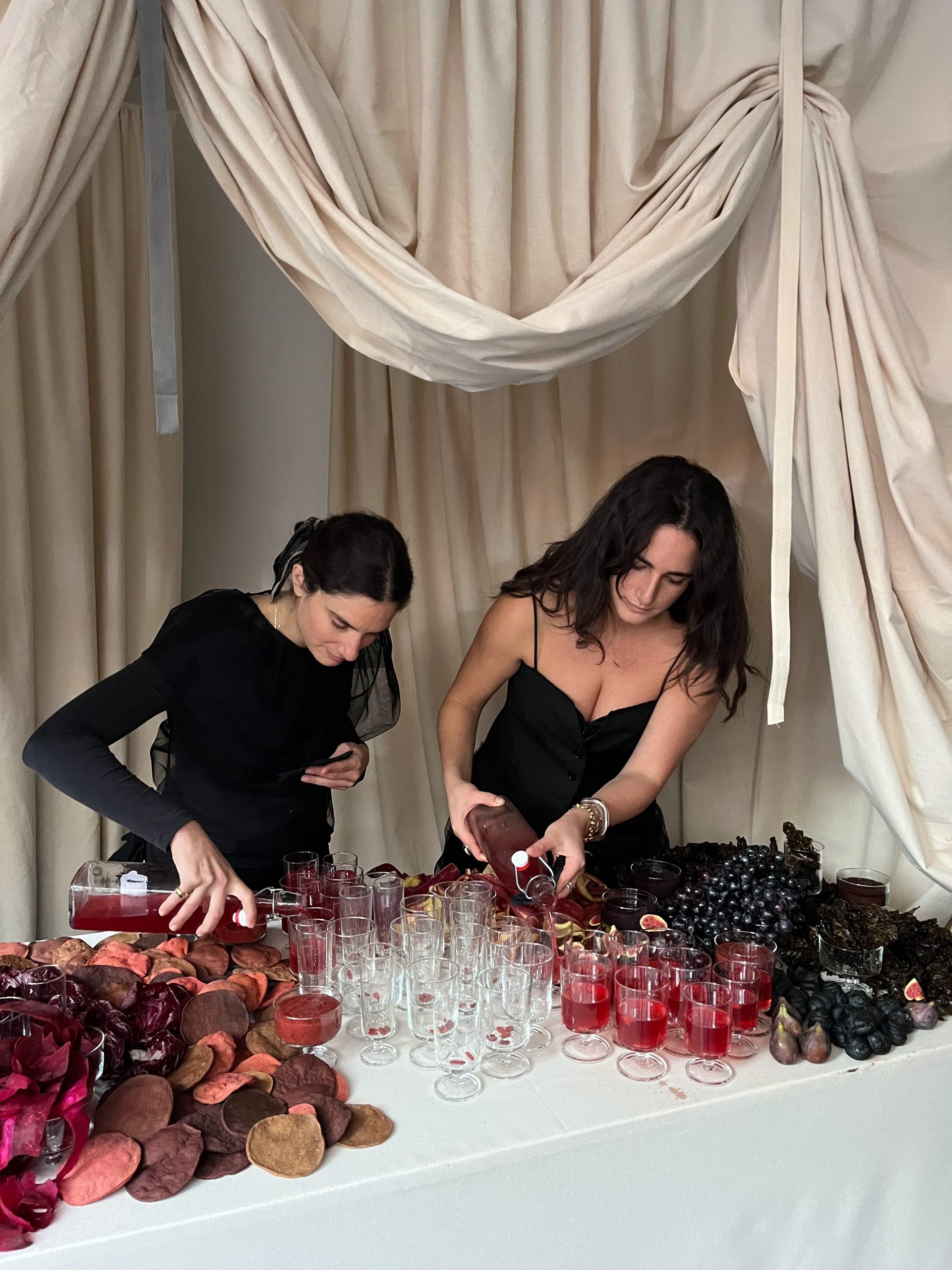
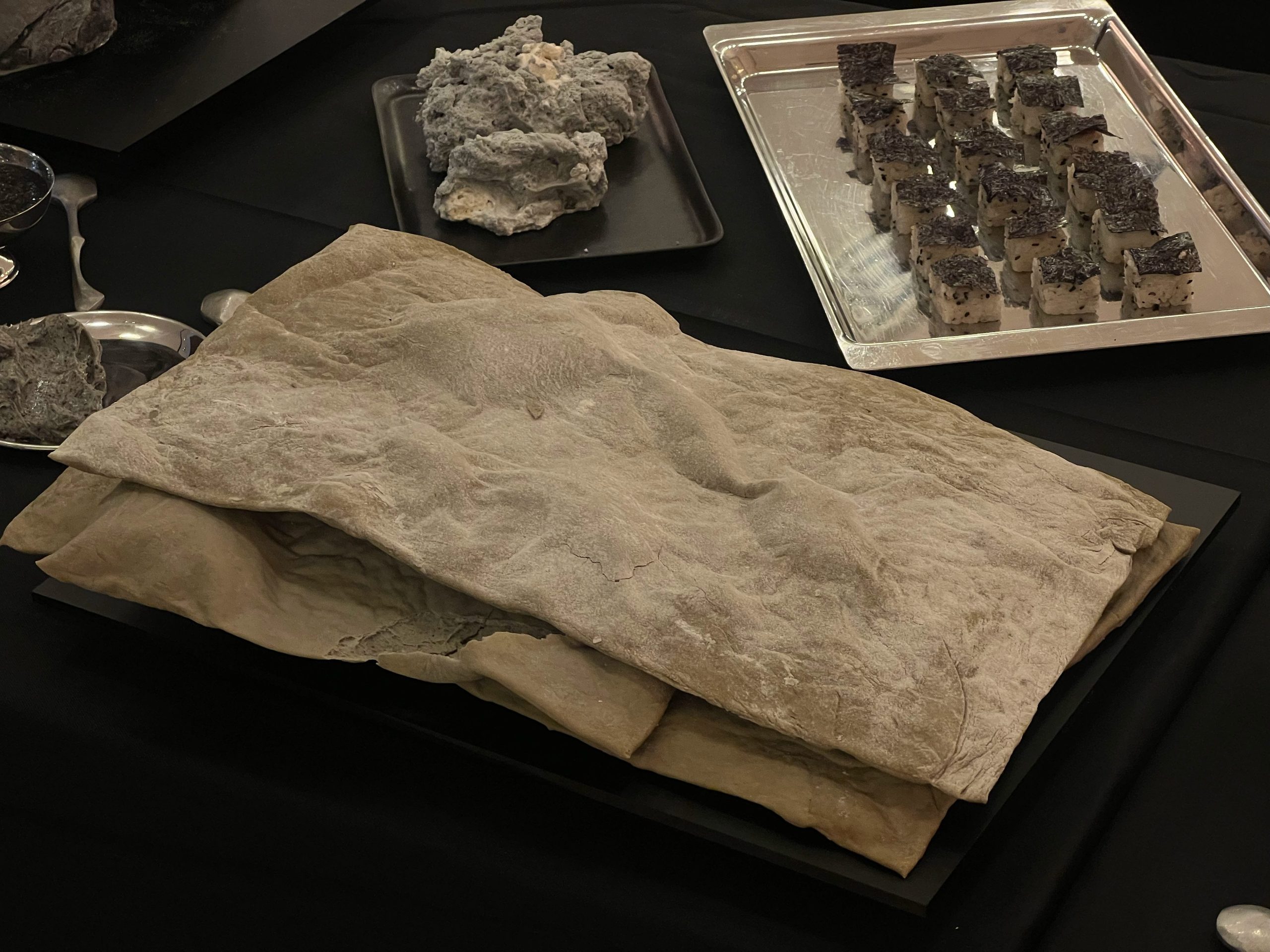
For Tracy and Théa, the women behind Toutia, food is as much a creative medium as stone, wood or clay. With backgrounds in architecture, scenography and curation, the pair approach the table as an artistic composition, where everything from the food to the objects surrounding it plays a part.
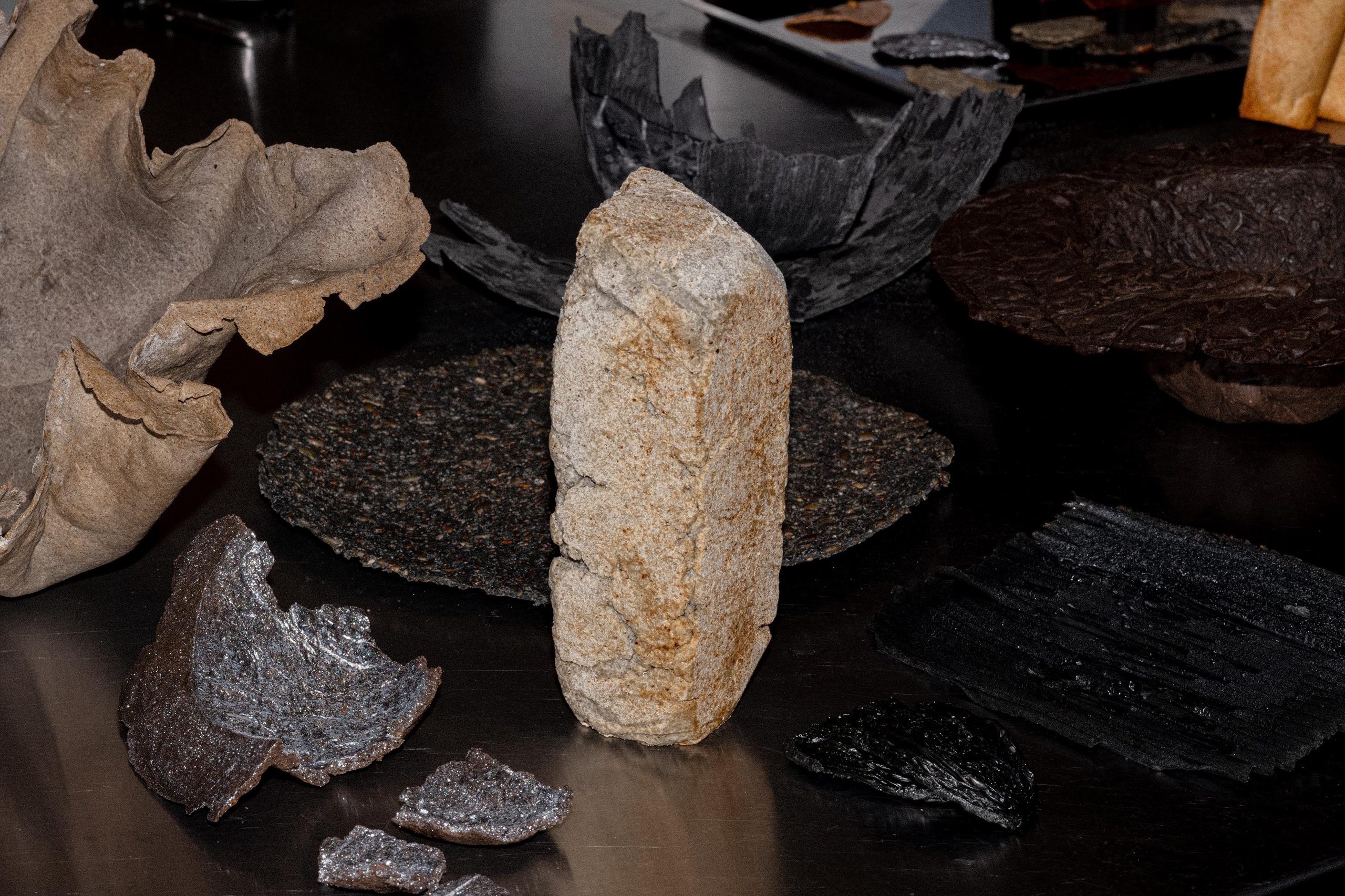
Their practice grew from a shared fascination with materials and a love of bringing people together. Rather than beginning with a menu, each project starts with a feeling, a memory or a sense of place.
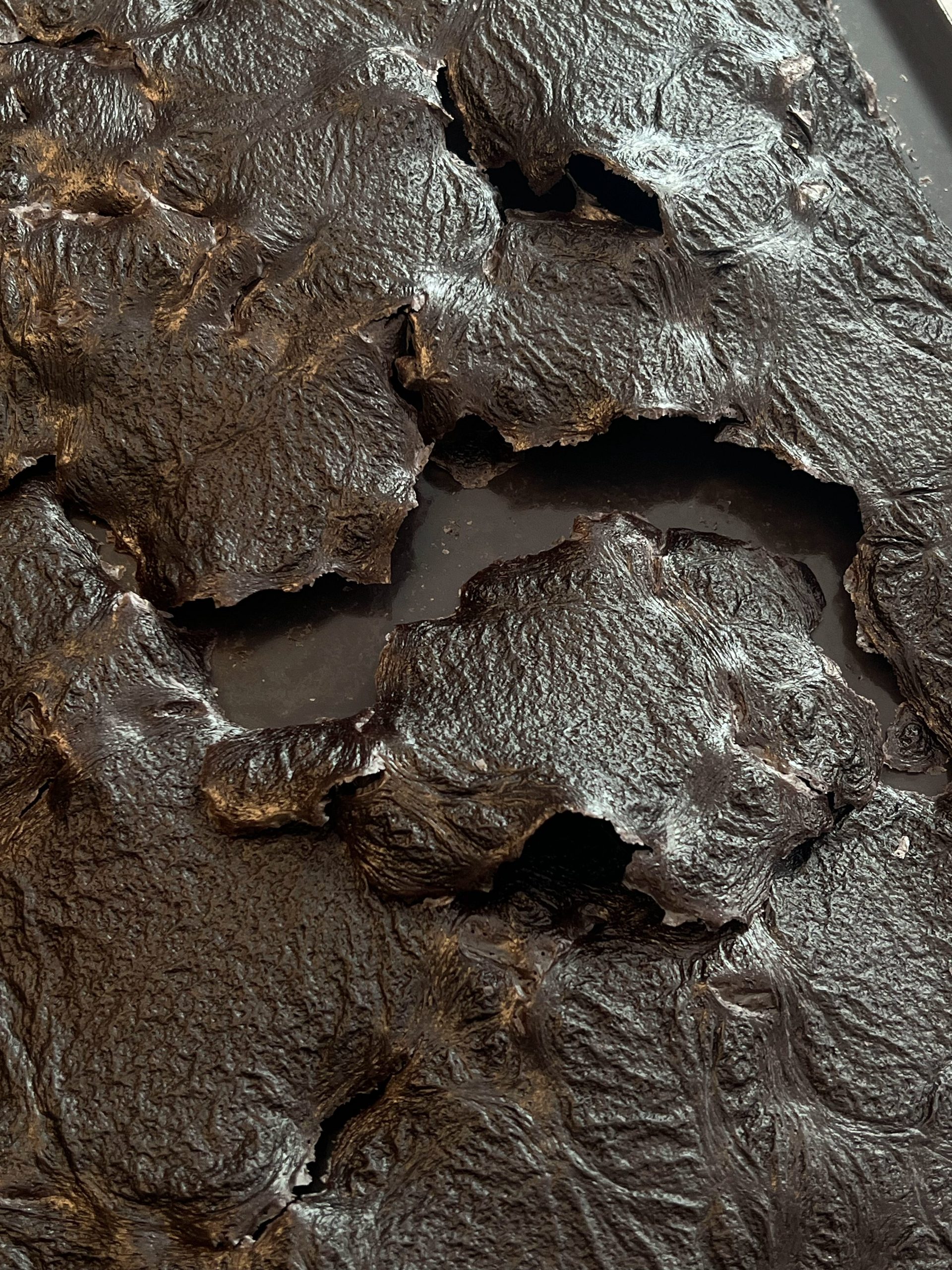
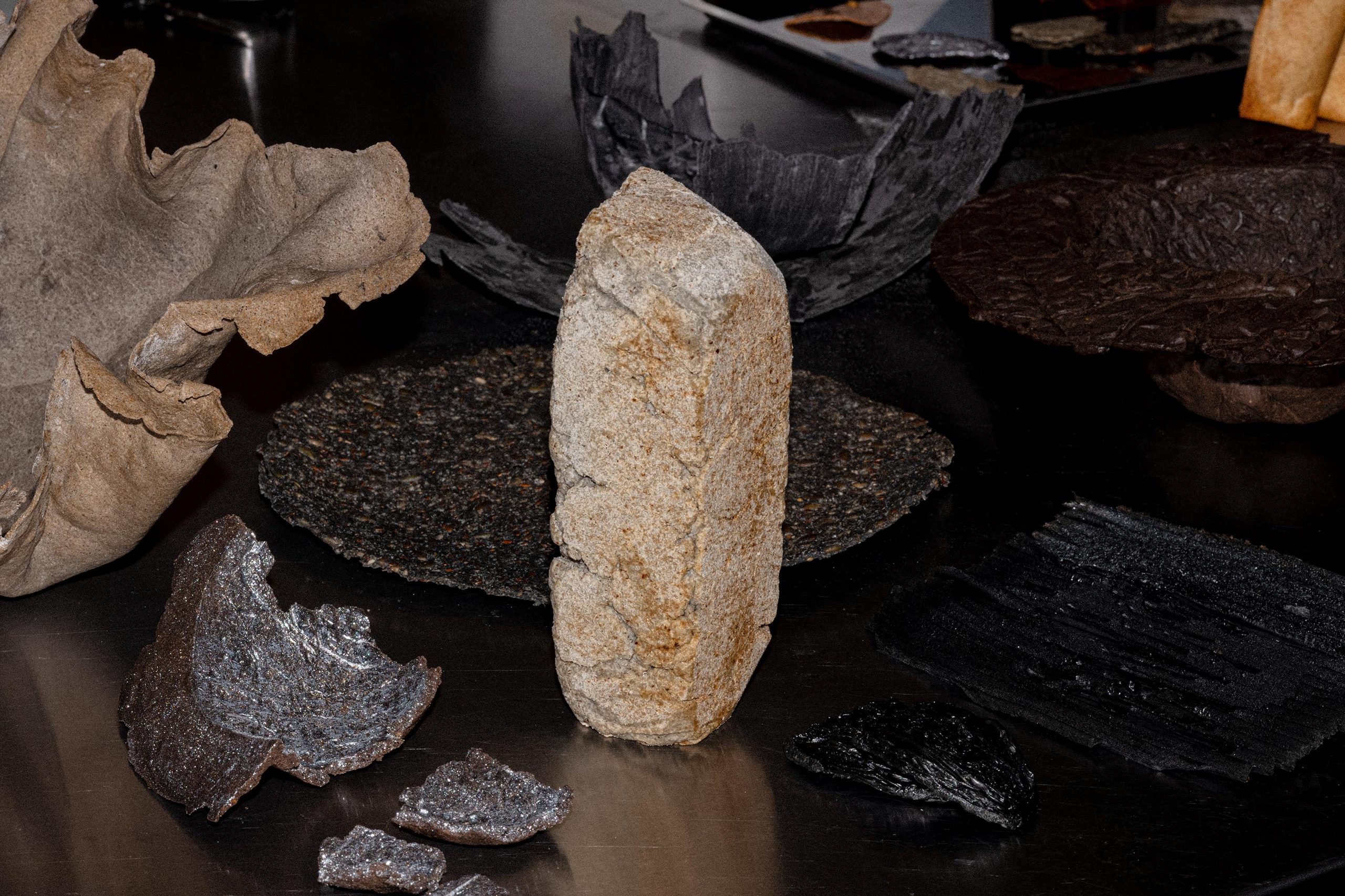
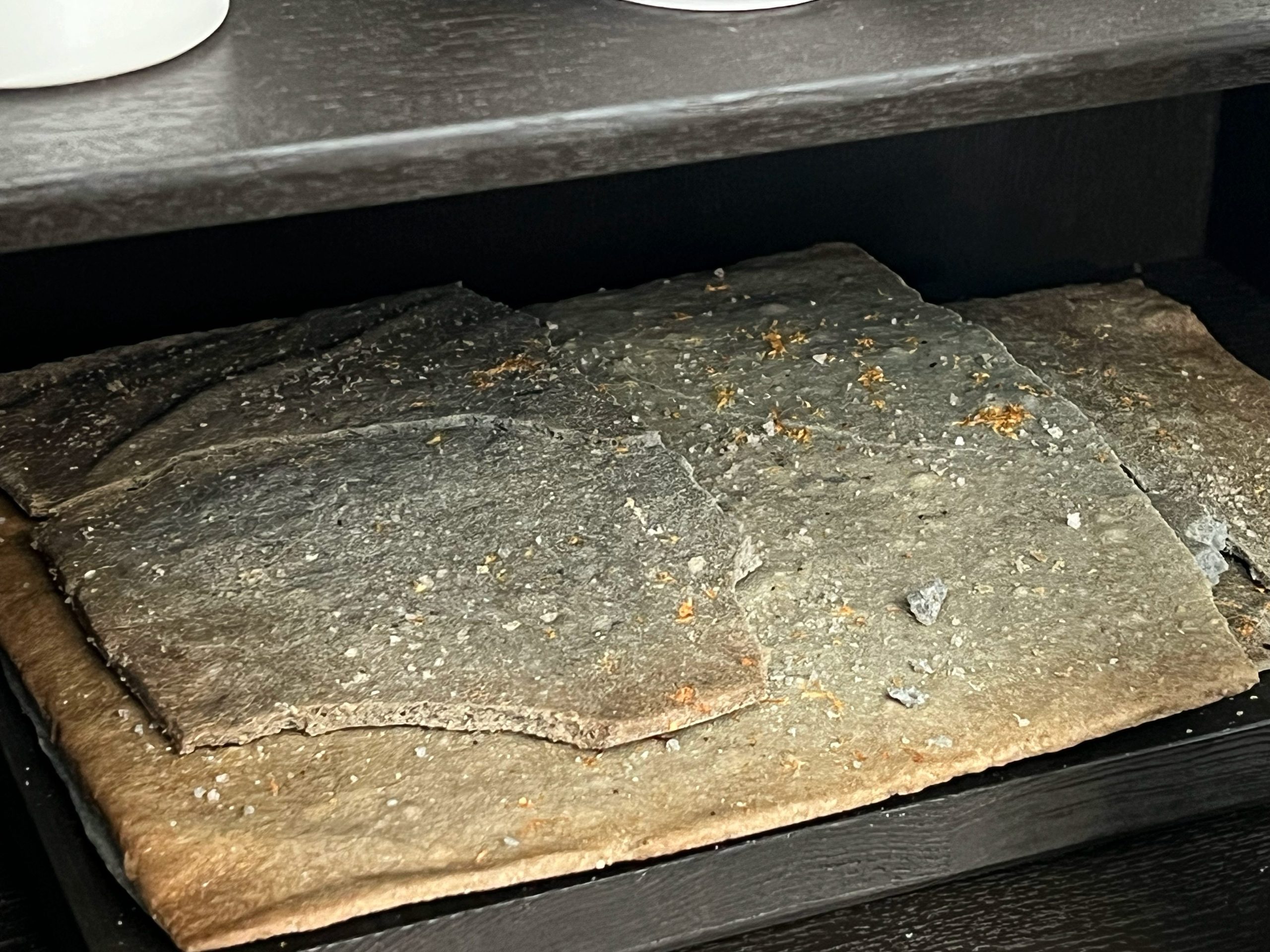
“We think of each project as an archaeological study,” they explain. “We research the environment, the textures, the traces of a place — and then try to translate that into something edible.”
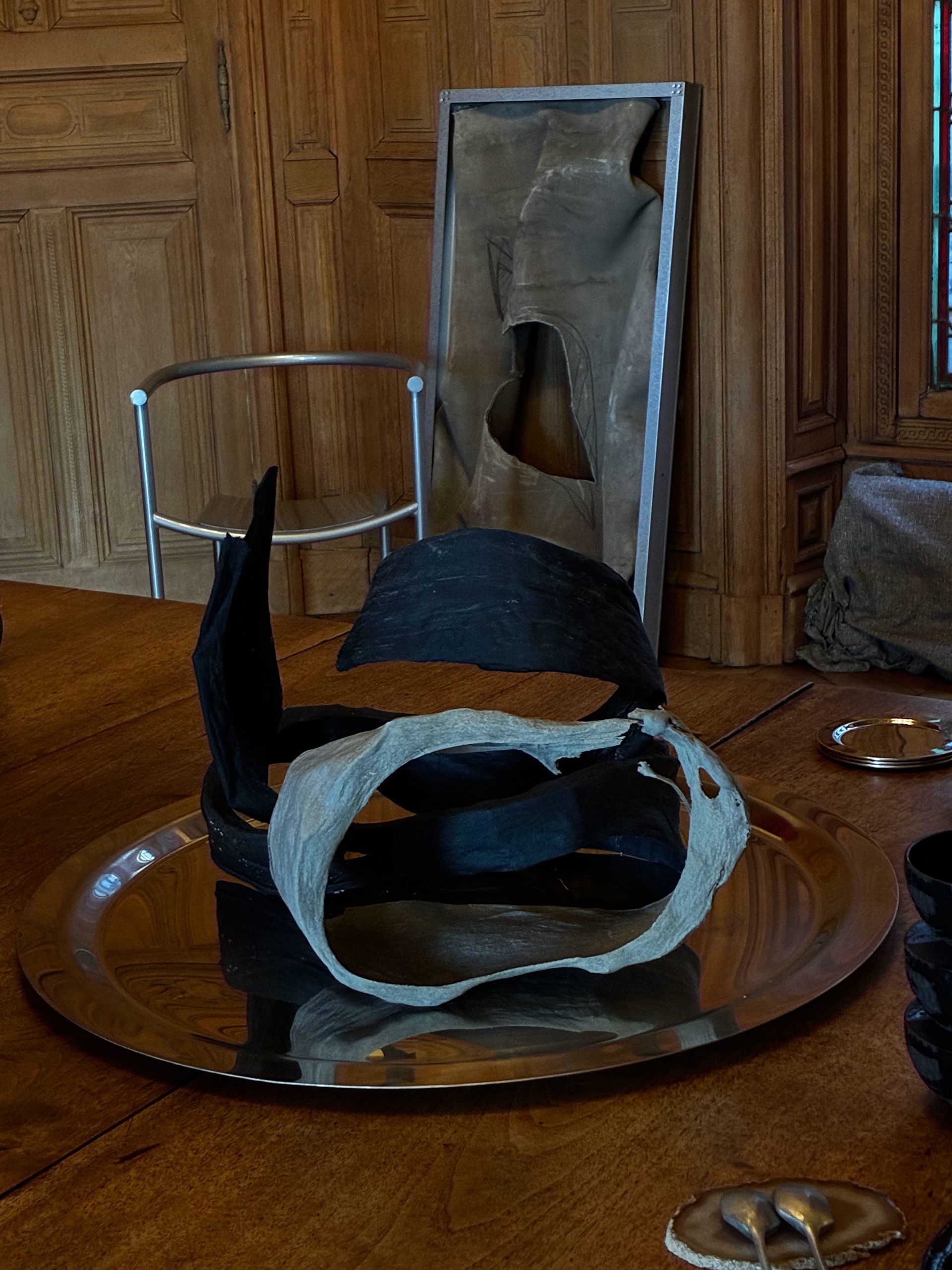
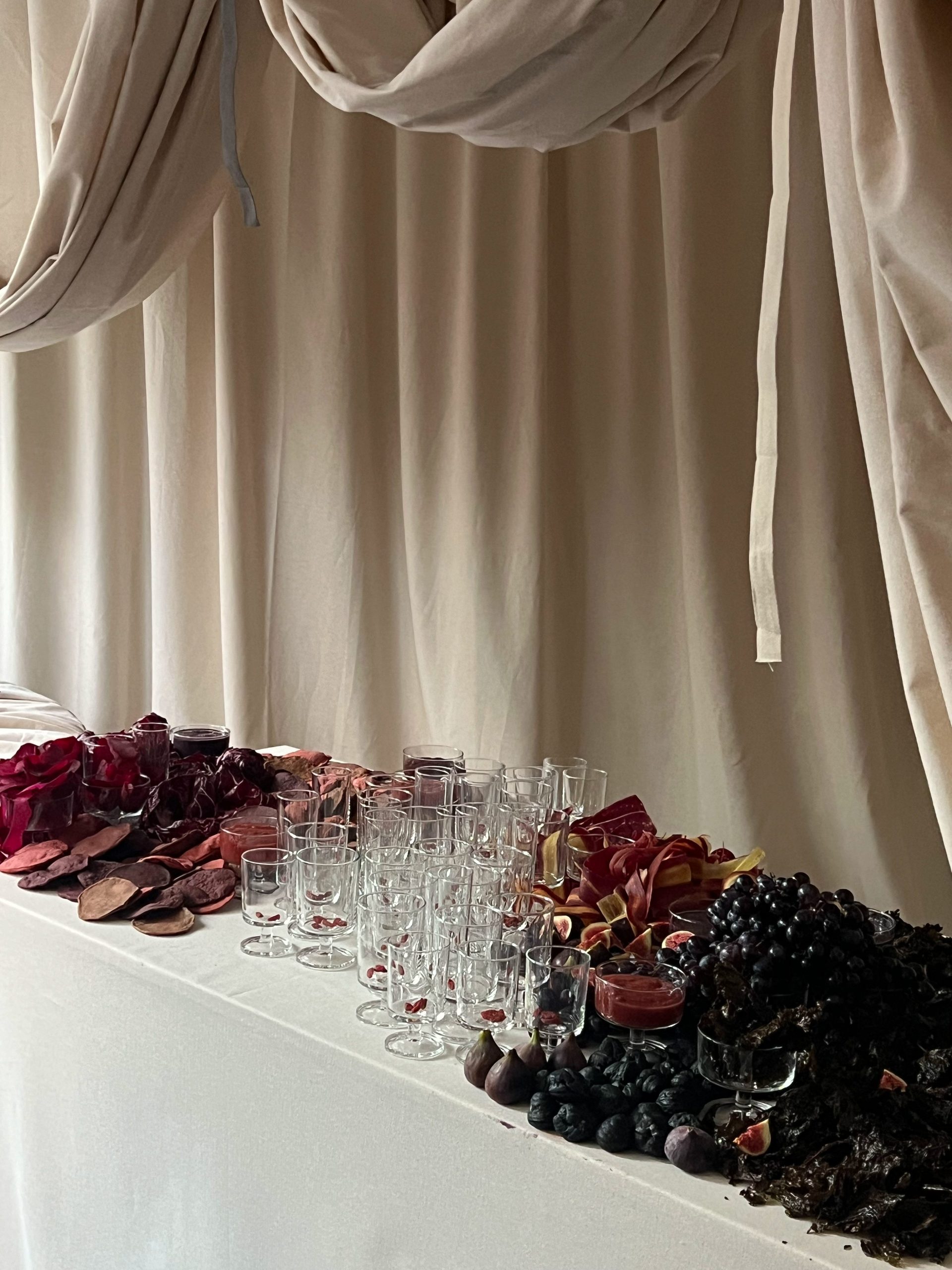
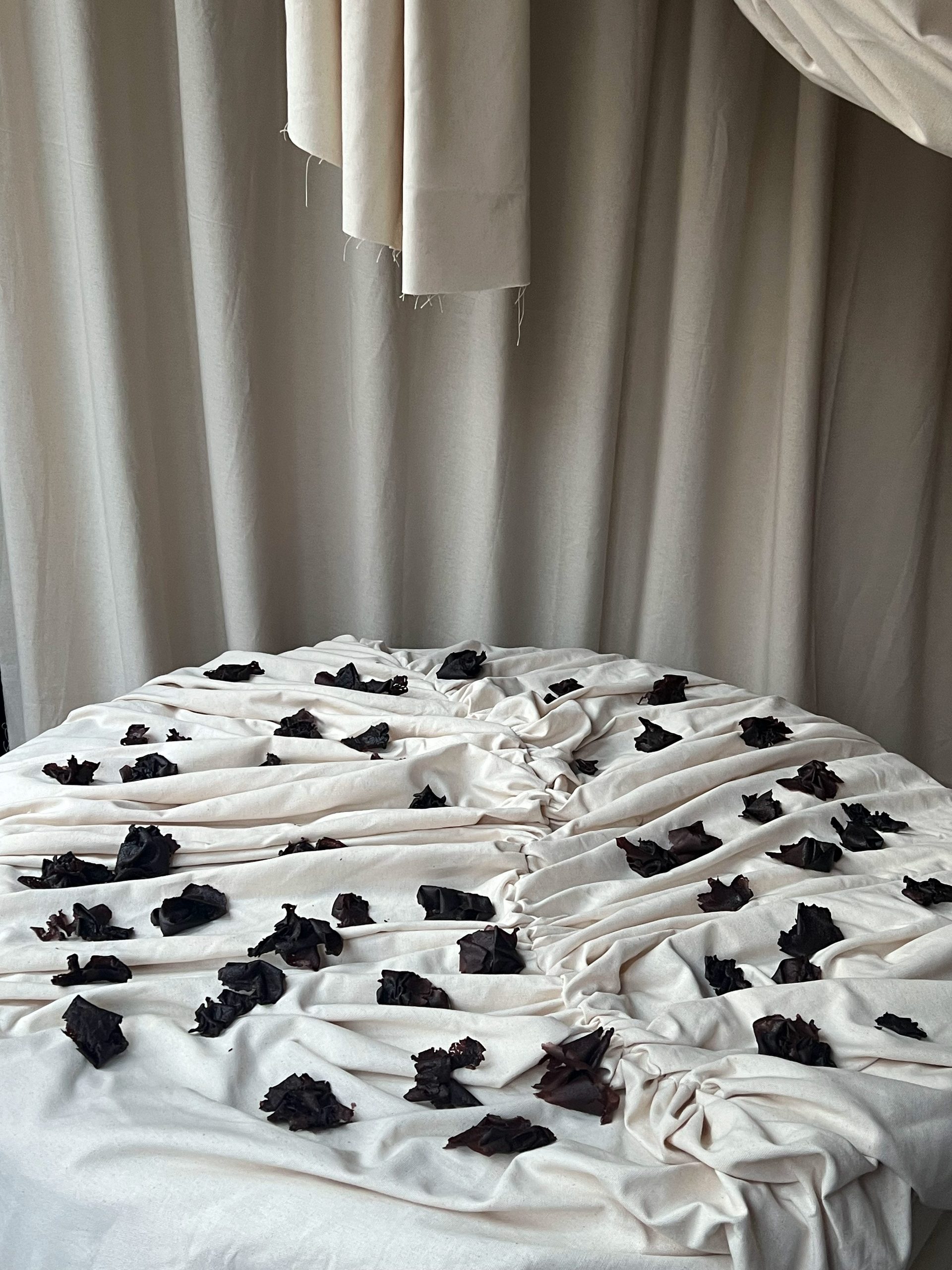
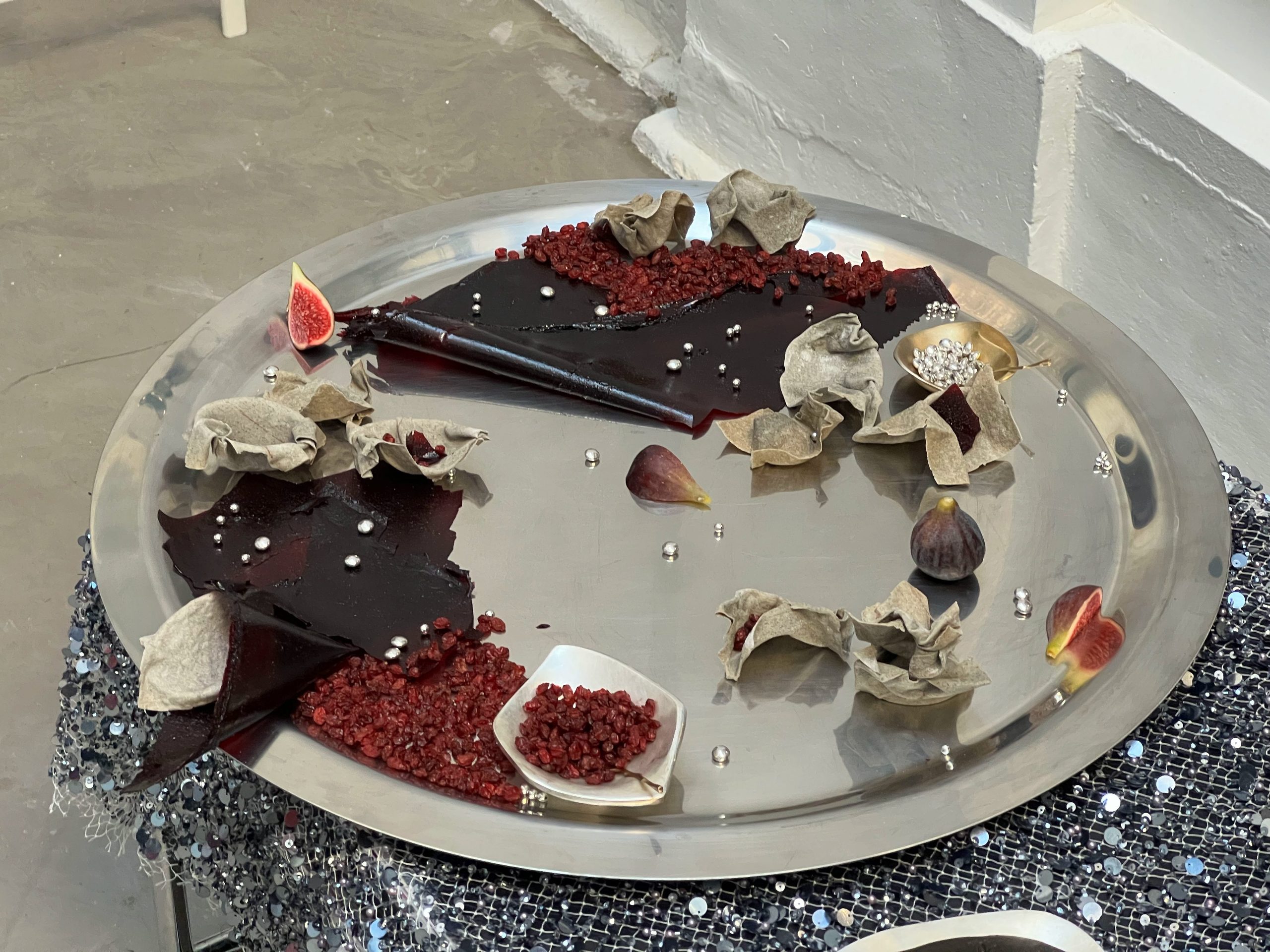
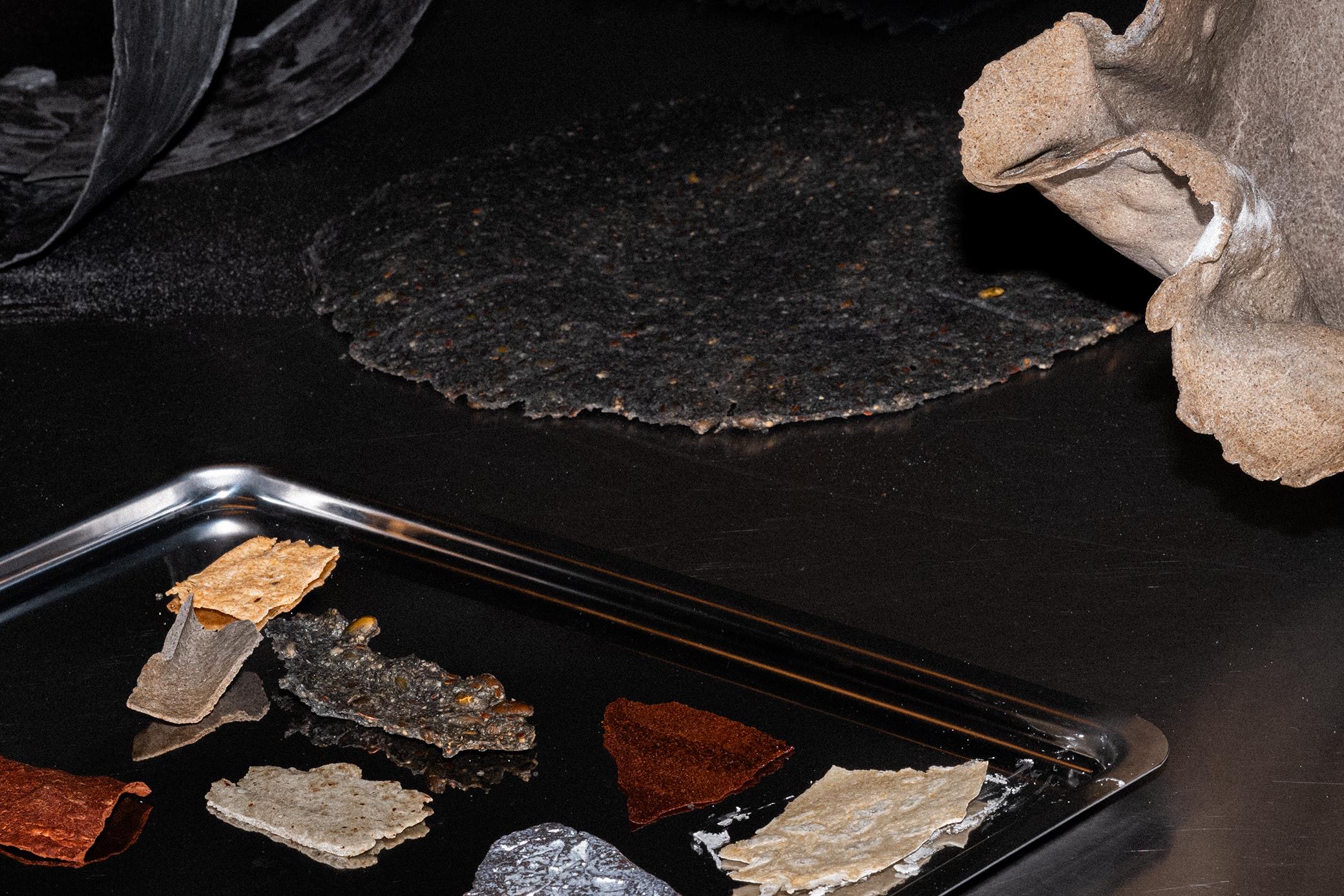
The result is a distinctly sculptural approach to food, where texture, form and composition take precedence. Their work plays with contrasts: structure and fragility, permanence and impermanence. Each experience is conceived for a particular setting, making its fleeting nature part of the appeal.
Their references are telling. Anselm Kiefer and Cy Twombly for their layering of materials and marks; Richard Serra for his command of industrial forms; Wolfgang Laib for his use of food as ritual; and Lee Ufan for his understanding of the space between objects. Rachel Whiteread’s exploration of absence is another influence. It’s an art-world vocabulary that finds an unlikely but compelling expression at the dinner table.
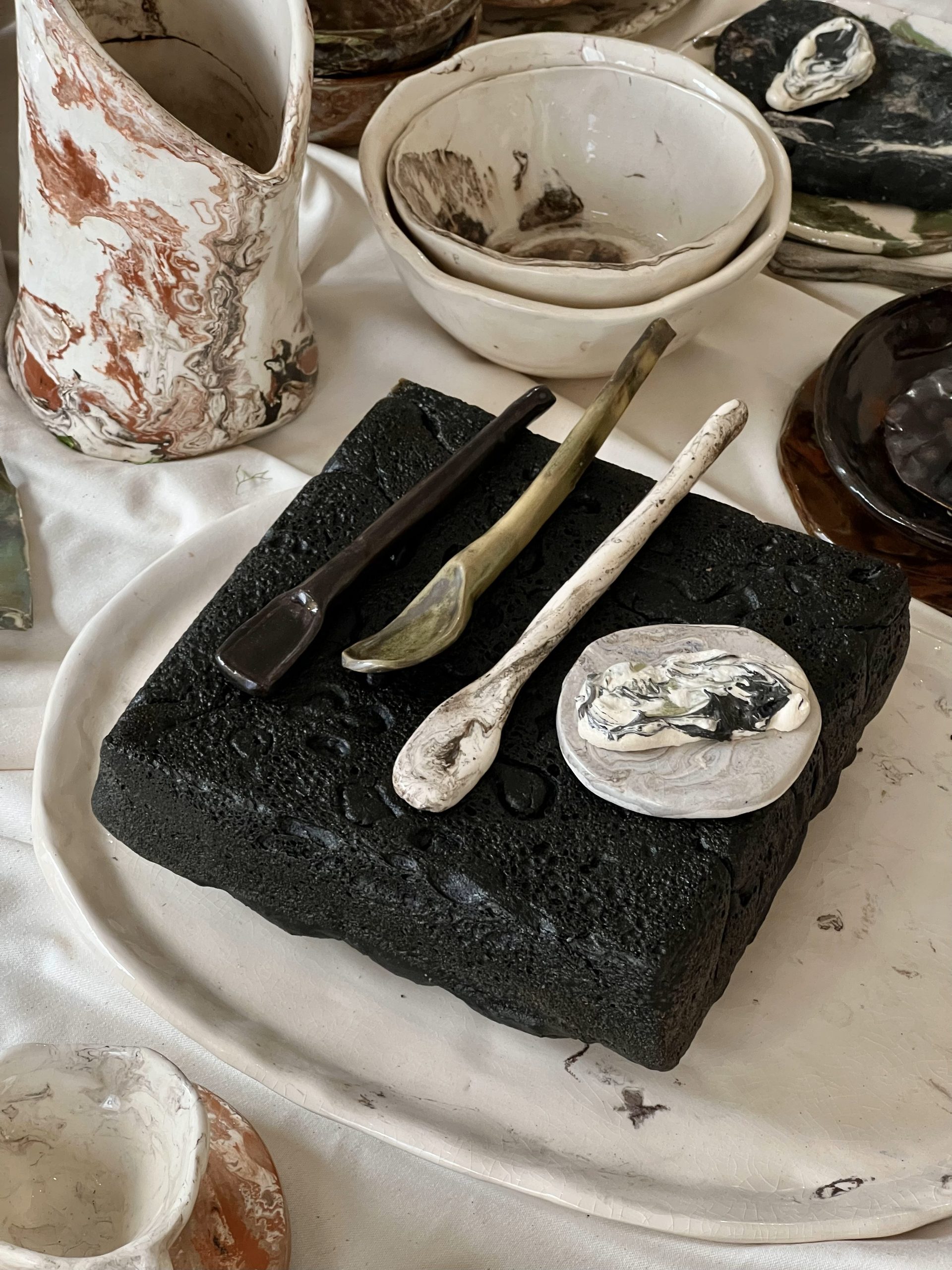
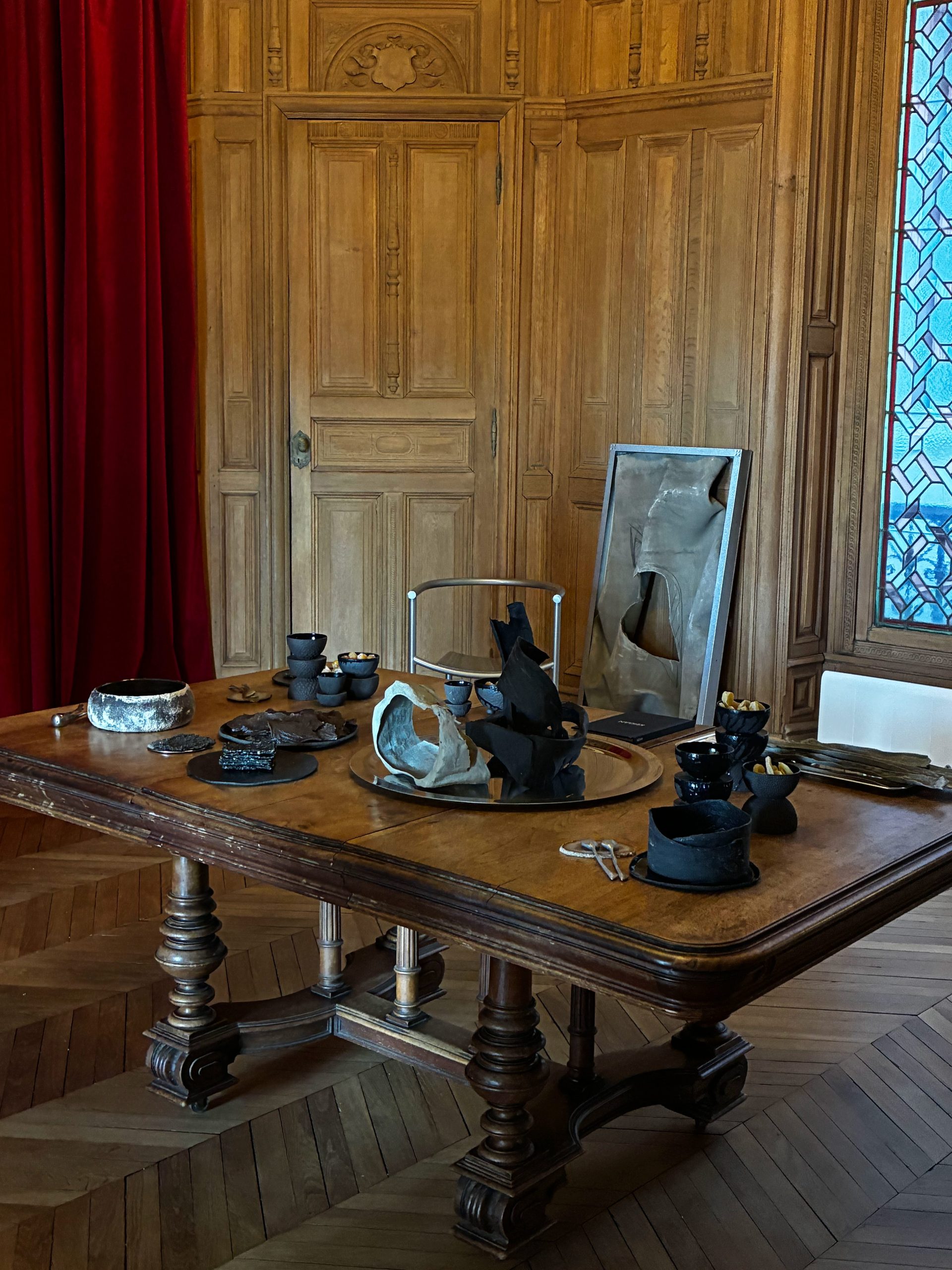
For Toutia, the table is never simply a backdrop. Ceramics, textiles, branches and found objects are as integral to the experience as the food itself. The aim is to create something that feels instinctive rather than overly styled. As they put it, “The table should feel lived in, not set.”
Paris provides fertile ground for this way of thinking. In a city where meals are still treated as occasions to linger, Tracy and Théa are part of a new generation bringing a more experimental, material-led sensibility to the art of hosting. Their work sits somewhere between dining, design and installation, creating intimate experiences that feel personal to the people gathered around them.
Collaboration is central to their practice. Encounters with designers Marc Leschelier and Raphaël Navot have deepened their interest in materials, while textile studios Renaissance Renaissance and Rescha share their fascination with craft and process. For architect Sophie Dries’ café, they even developed pastries inspired by the materials used in her architectural work.
Their wider creative orbit includes the ceramics of Sols Paris, the raw materiality of Forma and the mycelium experiments of design duo Aléa. Across disciplines, they’re drawn to makers who challenge how materials are understood and used.
And their advice for anyone hosting at home? Keep it simple. Flowers loosely placed rather than arranged, candles at varying heights and, crucially, something unexpected on the table. A stone, a branch, an object with a story. Anything that might spark a conversation.
After all, a memorable table isn’t necessarily the most elaborate. It’s one that invites curiosity, encourages people to linger and makes an ordinary meal feel like an occasion.
When they’re not creating their own tables, you’ll find Tracy and Théa at Paris favourites Pochana, Le Maquis and Orson, or at Ryukishin for soba — a ritual in its own right.