INSIDE A NEW WAVE OF ART COLLECTORS
If you trace a collector’s journey back to its beginning, it rarely starts with strategy or knowledge. It starts with a feeling—often so quiet you only recognise it years later.
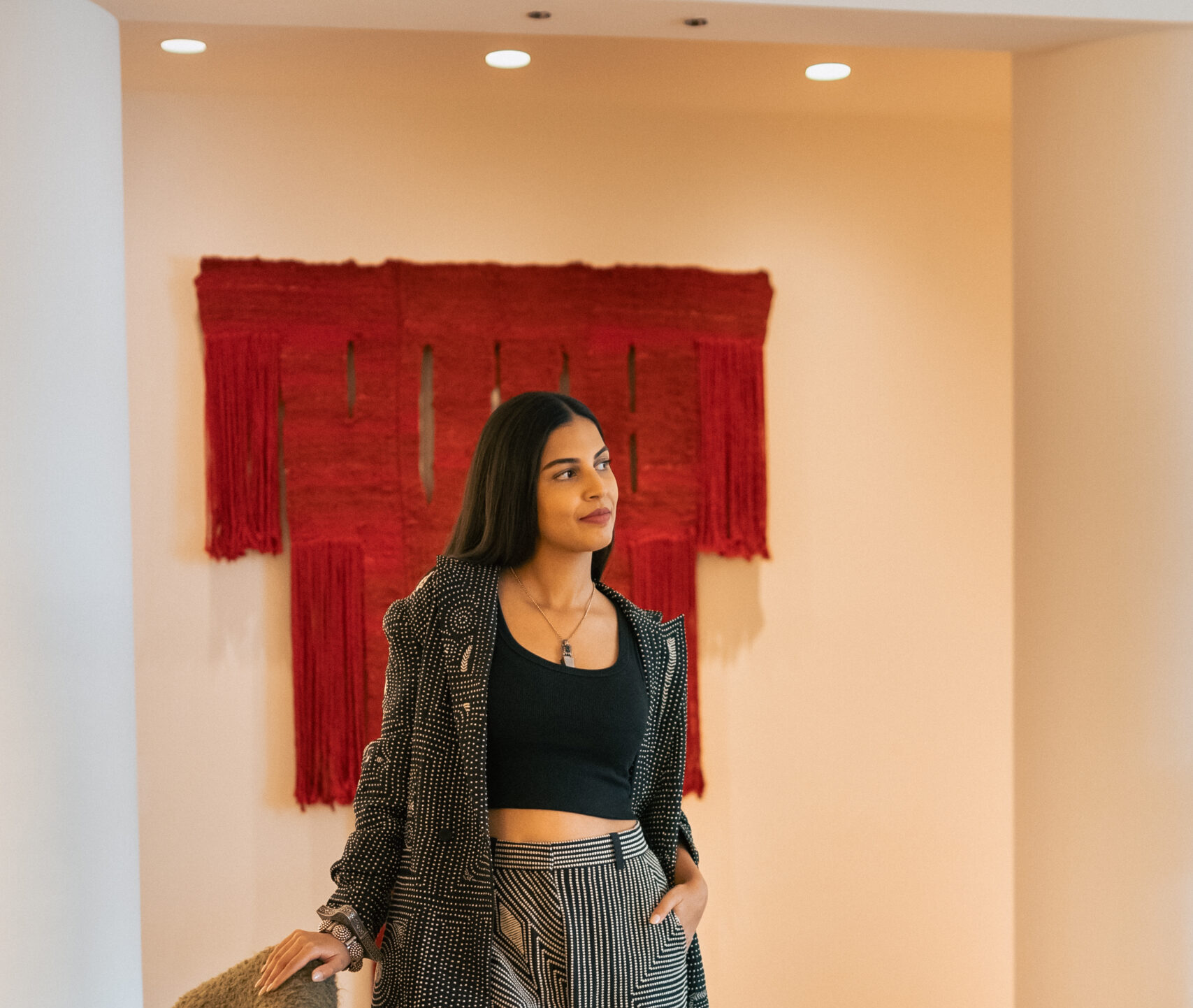
For Art Advisor and Collector, Rhea Kuruvilla, it began in Milan in 2013, though she didn’t know it at the time. A set of small ink drawings—fragile lines layered over the browned pages of old Italian books—caught her eye. The works were handmade by a local art student—intimate, and imperfect. “They were fragments of vintage literature transformed. I didn’t realise it then, but that was the first time a piece of art truly spoke to me.” she says.
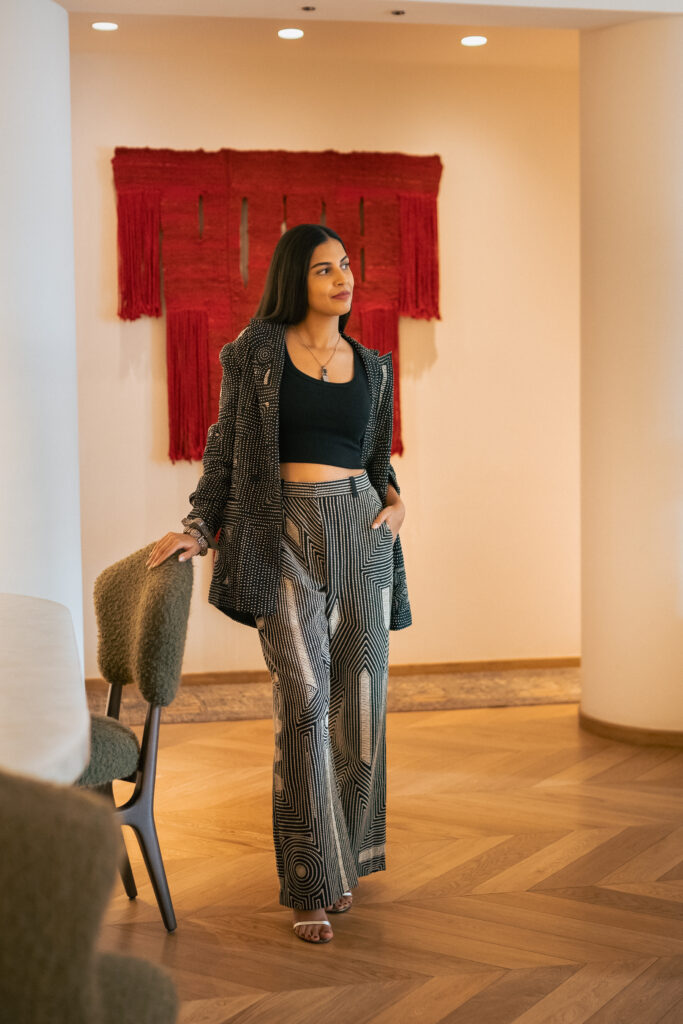
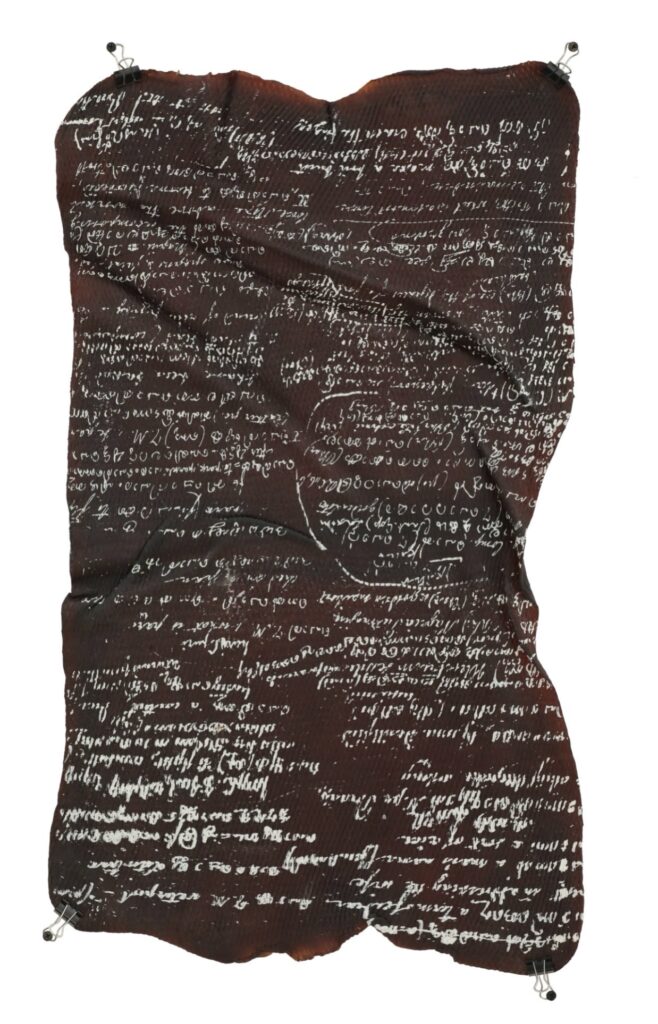
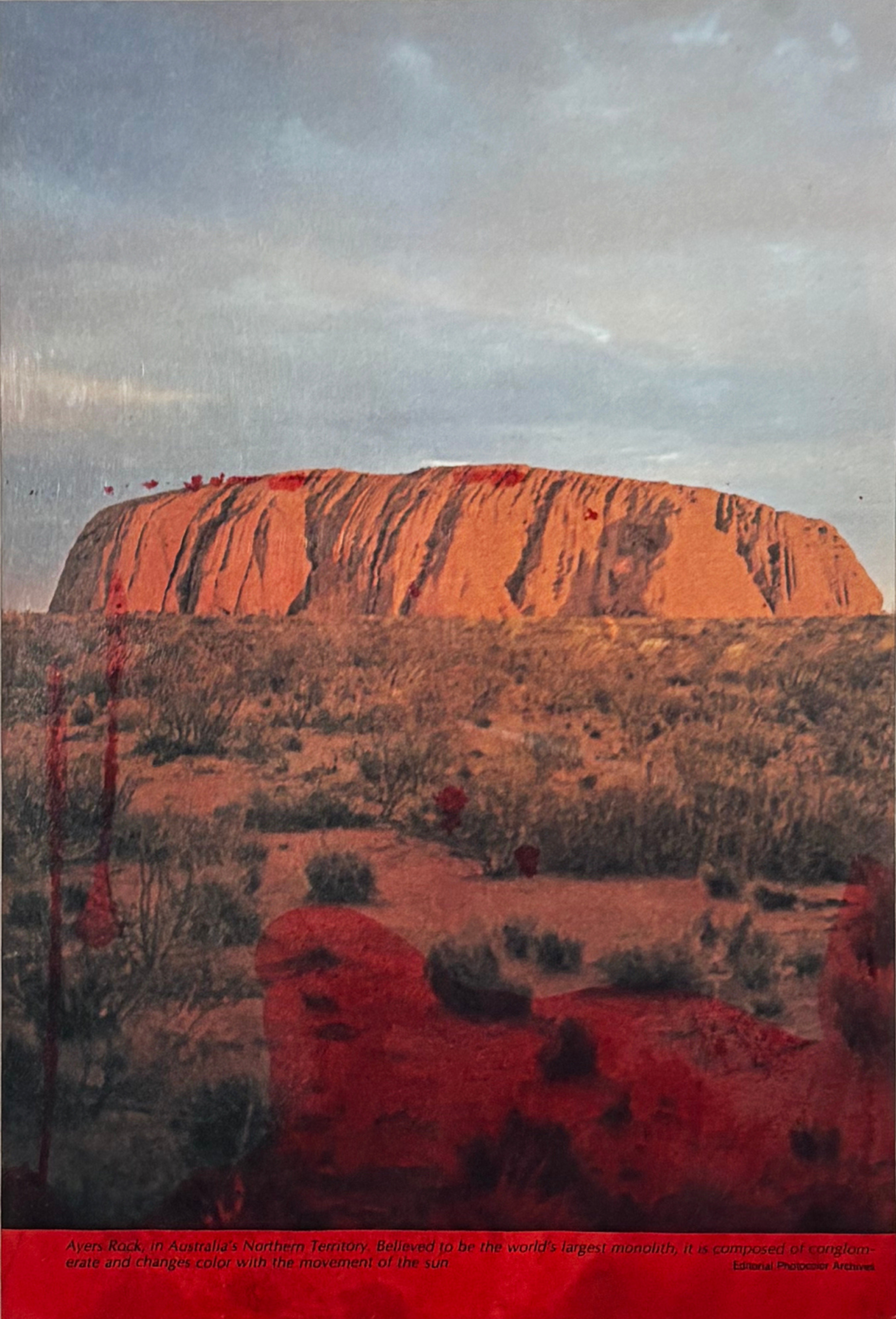
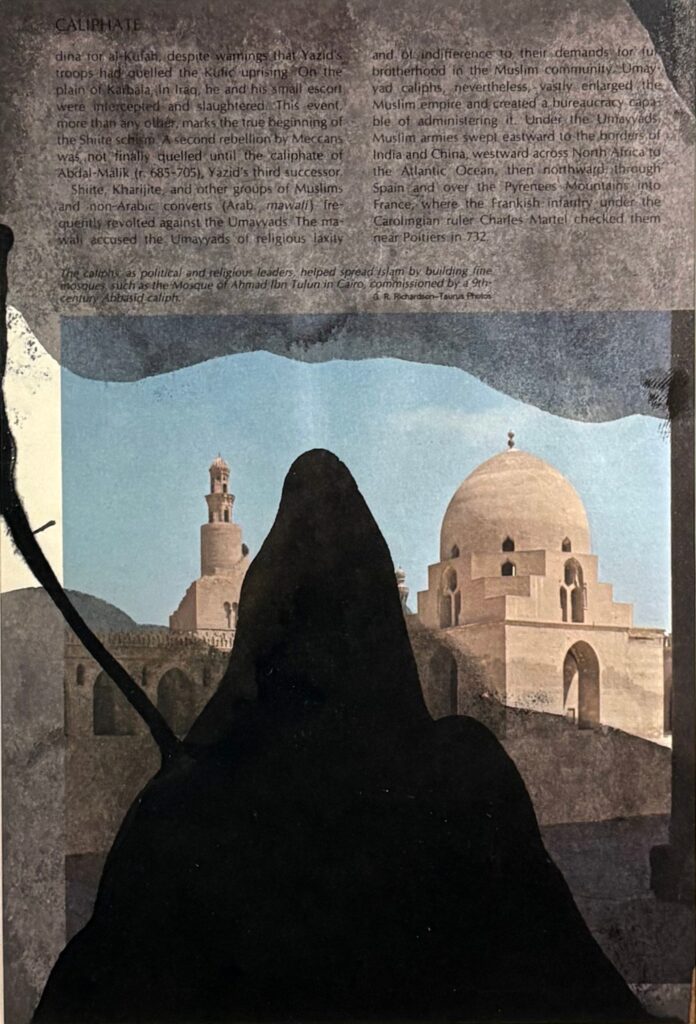
Looking back now, it feels almost inevitable that the most recent pieces she brought home would return to the same instinct. Two ink-on-text works by Bangladeshi artist Nabil Rahman, a maker whose lineage is threaded with poetry. “Perhaps I’ve always been drawn to art that listens,” she says. Because listening is what the best collectors do—consistently and without agenda.
Over the years, her relationship with art has shifted shape—growing from instinctive passion into something deeper, more discerning. “I began with pure emotion,” she admits. “But advising taught me precision. I learned how to hold both—the emotional pull that makes art what it is, and the knowledge that helps place it in context.”
And that’s what today’s collectors are hungry for: art that speaks both emotionally and intellectually, pieces that don’t just decorate but expand the way we perceive the world.
She believes a collection truly begins with curiosity—simple, unpretentious curiosity. Not the pressure to know, but the willingness to notice. What stops you mid-stride in a gallery? What lingers in your mind hours later? A collector’s taste forms in the space between those two questions—in the echo, not the encounter.
Value, for her, is never a single equation. Yes, there is the financial calculus. But there is also the emotional timbre of a work, its historical resonance, the cultural conversation it participates in. Provenance matters; research matters. But the truest investment is always the artist. “Go to their studio. Learn their language. Understand what they’re pushing against and what they’re reaching toward. That’s where the real price—and the real worth—reveals itself.” she advises.
The pieces that endure, she believes, are the ones rooted in inquiry. Decorative works charm the moment; collectible works challenge it. The difference is subtle but unmistakable: one pleases, the other persists.
“The art that transforms a space does something even quieter—it unsettles you just a little. It interrupts your rhythm. It offers a feeling you can’t quite articulate, a presence that changes the room simply by existing in it.” She’s drawn to that kind of work now more than ever—art that slips under the skin, that doesn’t perform beauty so much as reveal truth.
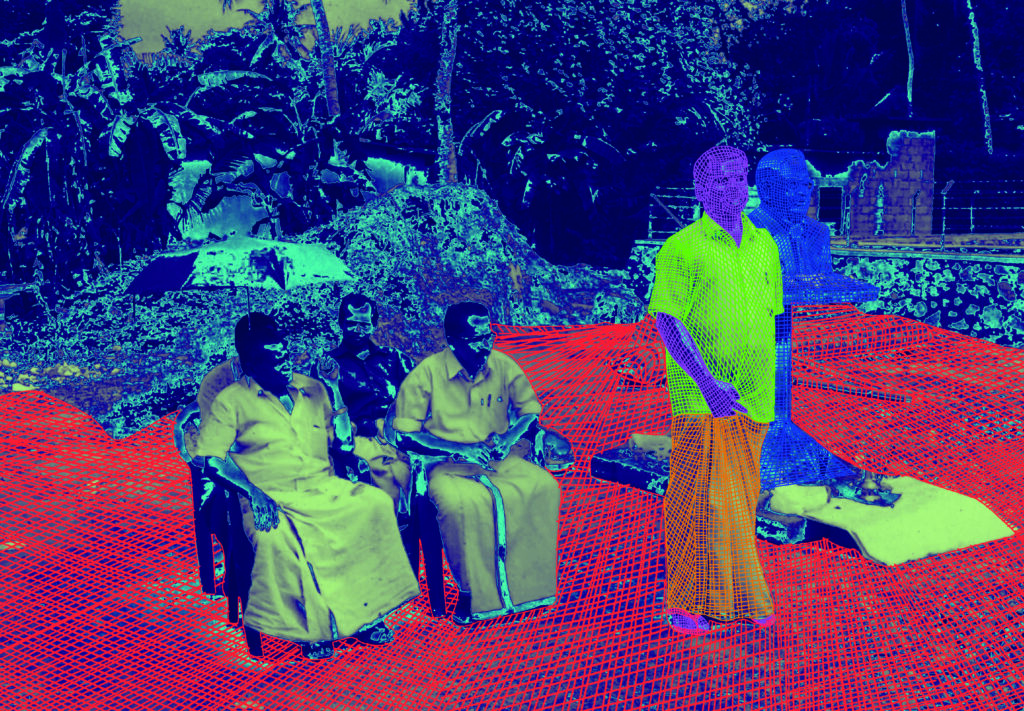
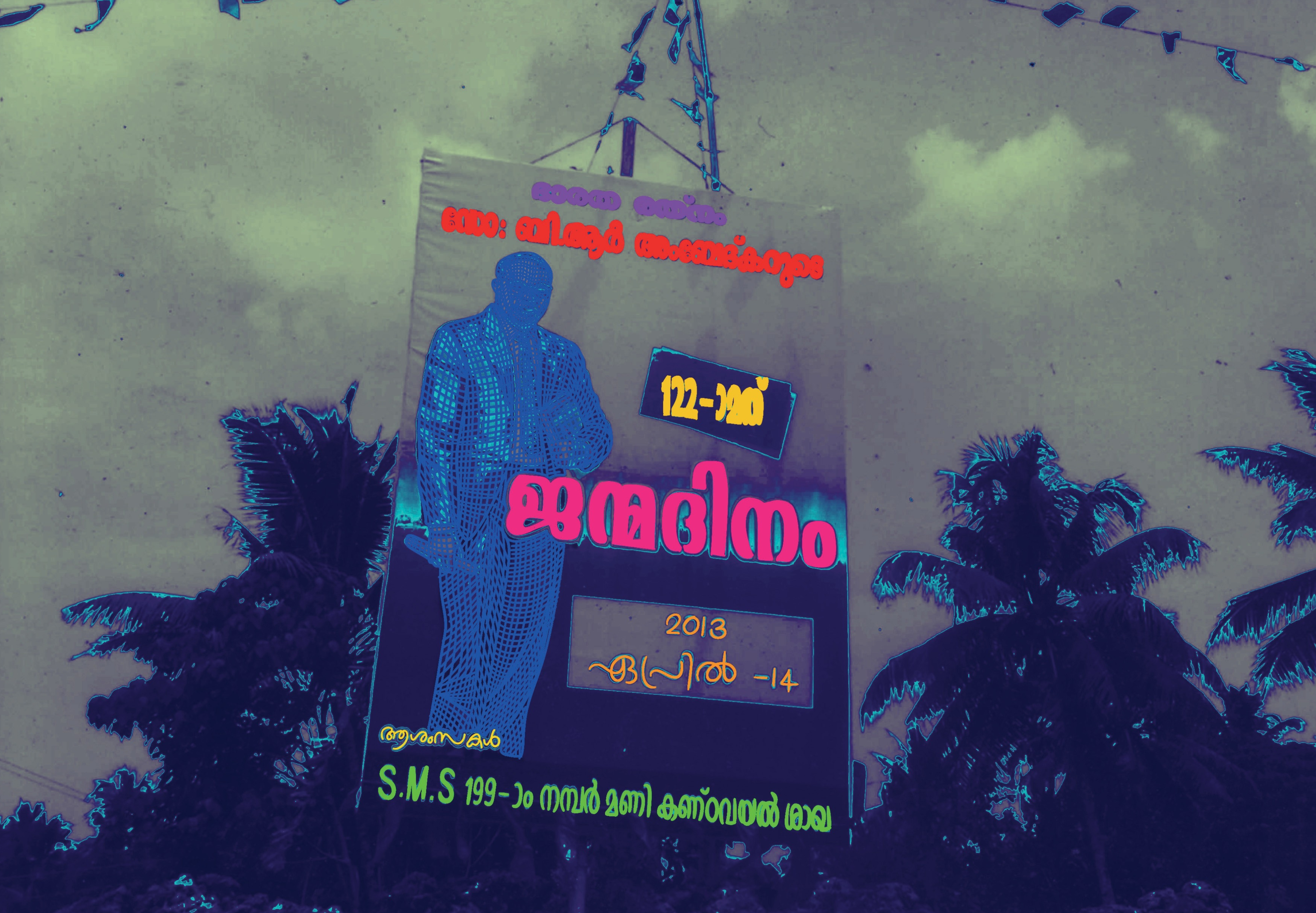
Among her most treasured recent acquisitions are two works from Aravind Chedayan’s Memory of a Deconstruction. Intricate digital drawings layered over archival photographs—images of his father and their community reclaiming their land, marked by the installation of an Ambedkar statue. Chedayan, who was inspired by his father’s work as a mason – giving him the title of a ‘cement artist’ – builds memory the way others build walls: with intention, weight and permanence. “I’m deeply drawn to artists who explore home, identity, and cultural memory,” she says. “Especially South Asian artists living abroad and observing how their idea on these themes differ to those in the region.”
In many ways, this mirrors a broader shift among younger collectors. They’re not searching for trophies. They’re searching for truth—for urgency, for relevance, for work rooted in lived experience. They want art that compresses history, identity, politics, longing. Art that is alive to the moment.
And for anyone at the beginning of their collecting journey, her advice is disarmingly simple: “Choose the piece you can’t stop thinking about. Let instinct lead before intellect intervenes. Don’t rationalise too quickly. The best works choose you long before you understand why.”
Because the beauty of collecting is that it’s never really about accumulation. It’s about resonance. Presence. Becoming.
A collection is not a catalogue—it’s a biography. A map of the moments that moved you. A record of the questions you were brave enough to ask. A testament to the things you decided to live with, and the parts of yourself you discovered through them.
And if you listen closely, the art will tell you everything.